
Empowering Wellness: Exercise as Medicine for Mind and Body

 Apple Podcasts
 Spotify
 Castro
 RSS Feed
 Empowering Wellness: Exercise as Medicine for Mind and Body
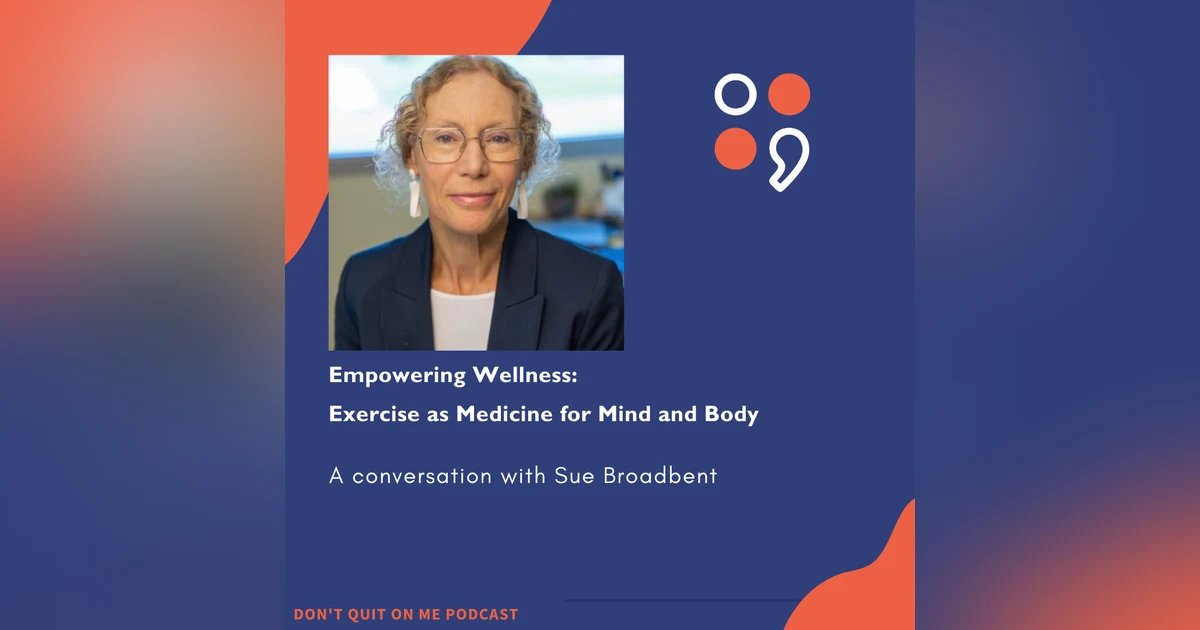
Welcome to another episode from our series exploring the profound impact of taking deliberate actions on various aspects of health, where today, we’re delving into the interplay between physical exercise and mental health - particularly in individuals living with chronic illnesses. In a deeply engaging conversation with Dr. Sue Broadbent, a clinical exercise physiologist, we unravel the subtle yet powerful benefits of tailored exercise regimens for those with conditions like fibromyalgia and chronic fatigue syndrome.
Discovering the Path
Dr. Sue's journey into exercise science was an unexpected detour from her initial career as a high school teacher specializing in art and photography. It wasn't until her thirties, when she took up distance running, that her path led to academia and research, ultimately focusing on chronic conditions like ME/CFS, fibromyalgia, and chronic fatigue syndrome. With a personal connection through friends and family affected by these conditions, her work strives to bridge the gap in understanding and managing these illnesses through research and evidence-based practice.
Exercise as a Gentle Healer
One of the focal points of Dr. Sue's research is the transformative potential of aquatic exercise. Water's unique properties offer a gentle resistance environment which simultaneously promotes strength without exacerbating symptoms. The buoyancy relieves joint pressure, making it an inviting option for those who experience muscular pain and fatigue.
Mental Health and Movement
In our discussion, Dr. Sue emphasized how regular, self-paced physical activity can significantly boost mental health. The release of neurotransmitters such as serotonin and dopamine during exercise contributes to enhanced mood and reduced anxiety, even in severe cases of depression. Moreover, engaging in group exercises fosters social connections, providing a shared space for understanding and support which is crucial to those dealing with chronic conditions.
Personal Stories and Professional Insight
Our conversation also touched on personal experiences that resonate deeply with many navigating chronic health challenges. For instance, I share my journey through fibromyalgia, chronic pain, and how commitment to an exercise regimen, albeit challenging, cultivated resilience and self-efficacy.
Addressing Myths and Misconceptions
A recurring theme was the deconstruction of myths surrounding exercise and chronic conditions. A common misconception is that physical activity can worsen fatigue. In reality, when approached with a tailored, paced strategy, exercise can serve as a catalyst for improved energy levels and mental clarity.
Practical Strategies for Moving Forward
Dr. Sue offers valuable strategies for those anxious about integrating movement into their routine. Gradual, self-paced attempts—like five minutes of exercise—are celebrated wins, paving the way for longer-term health goals without overwhelming the individual. It advocates for finding joy in movement, whether it be Tai Chi, yoga, or simple home exercises built into daily routines.
An Exciting Frontier in Research
Looking ahead, Dr. Sue expressed enthusiasm for ongoing research, especially studies delving into strength training's potential benefits for those with chronic fatigue and fibromyalgia. Projects led by passionate researchers, including one of her PhD students who brings personal experience to her work, aim to develop practical, impactful guidelines for both patients and healthcare providers.
Final Thoughts
Our dialogue with Dr. Sue highlights the indispensable role of exercise as both a physical and psychological rehabilitative tool. By fostering patience, adaptability, and informed choice in exercise practices, individuals with chronic illnesses can find empowerment and improvement in their quality of life. I invite you to listen to Dr. Sue’s insights that they may well inspire your approach to health and wellness, whether you're living with chronic conditions or simply curious about the healing power of physical activity.
Join us in this ongoing journey - where knowledge meets personal experience, and compassion drives innovative solutions for those navigating the challenges of Complex Mental Health.